The city of Dallas is making changes to its AI camera code enforcement program in the wake of an NBC 5 investigation that raised questions about privacy, how enforcement might impact the poorest residents and why some homeowners found the city’s violation notices frightening.
At a Quality of Life briefing on Monday, officials acknowledged the concerns and outlined steps to address them.
City Detect, the city contractor that runs the AI cameras, said it’s now blurring entire bodies, not just faces, in the camera images as a result of questions NBC 5 Investigates raised.
Officials also pledged to soften the language in violation notices, and they said they’re no longer using the term “blight score” to describe how the system evaluates homes, a term NBC 5 Investigates flagged at the start of its investigation.
Those AI cameras on top of Dallas trash trucks roam city streets, photographing homes in search of code violations.
But some council members now want more eyes on the cameras and the information they collect.
“What’s the check and balance on this program?” councilmember Chad West asked during the briefing.
Some councilmembers raised concerns about the images themselves.
“I want to make sure that information is being blurred,” said councilmember Bill Roth.
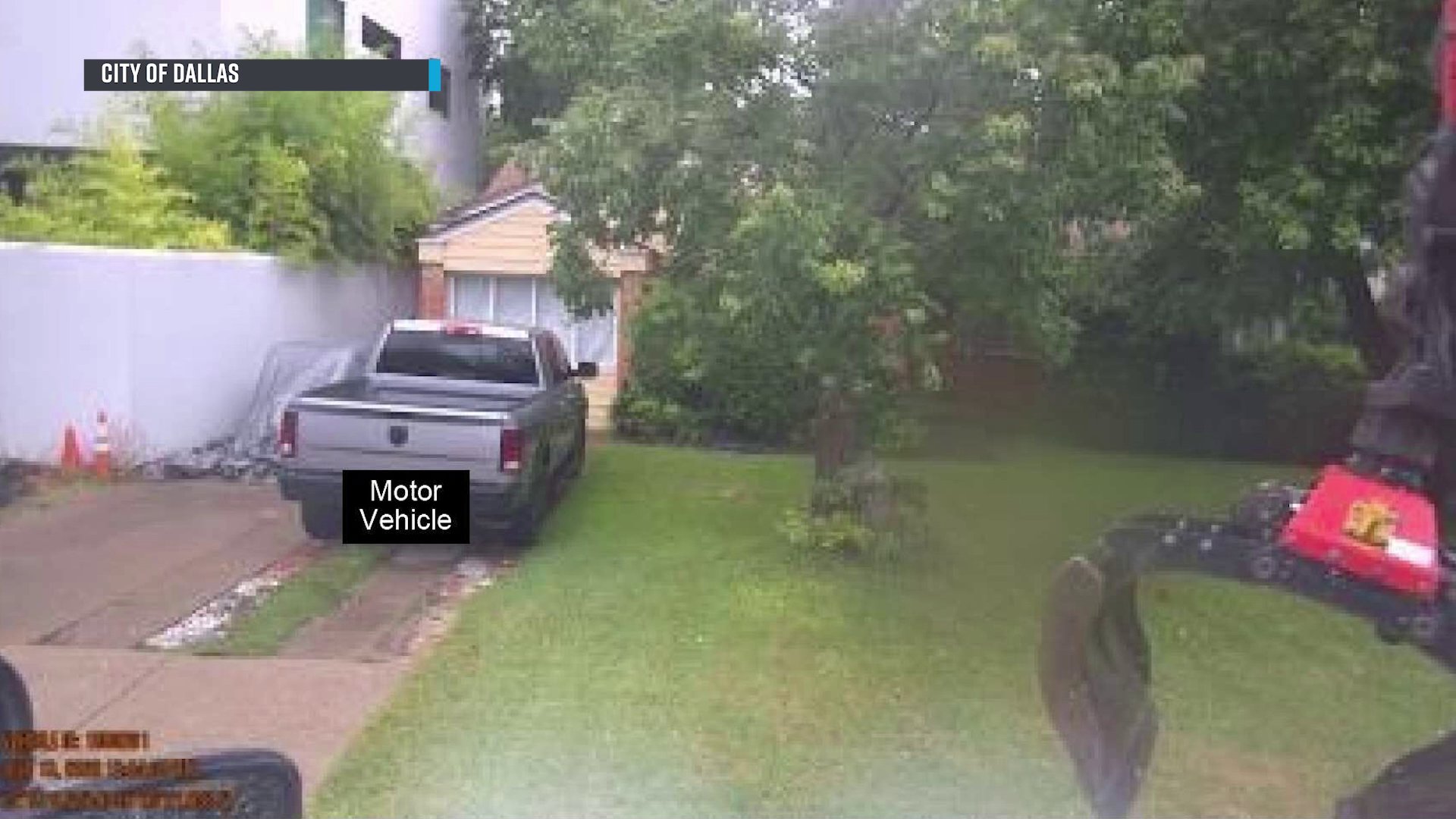
As NBC 5 Investigates first reported, photos obtained from the camera system through an open records request showed that even though faces were blurred, people’s body and clothing descriptions were still visible.
And the images are stamped with the date, time and location.
After NBC 5’s reporting, the City Detect says it’s made changes.
“We went back to our engineering team, and we actually enhanced the blurring. So now it’s the entire body. You can’t see what color somebody is. You can see what clothing they are,” said City Detect CEO, Gavin Baum-Blake.
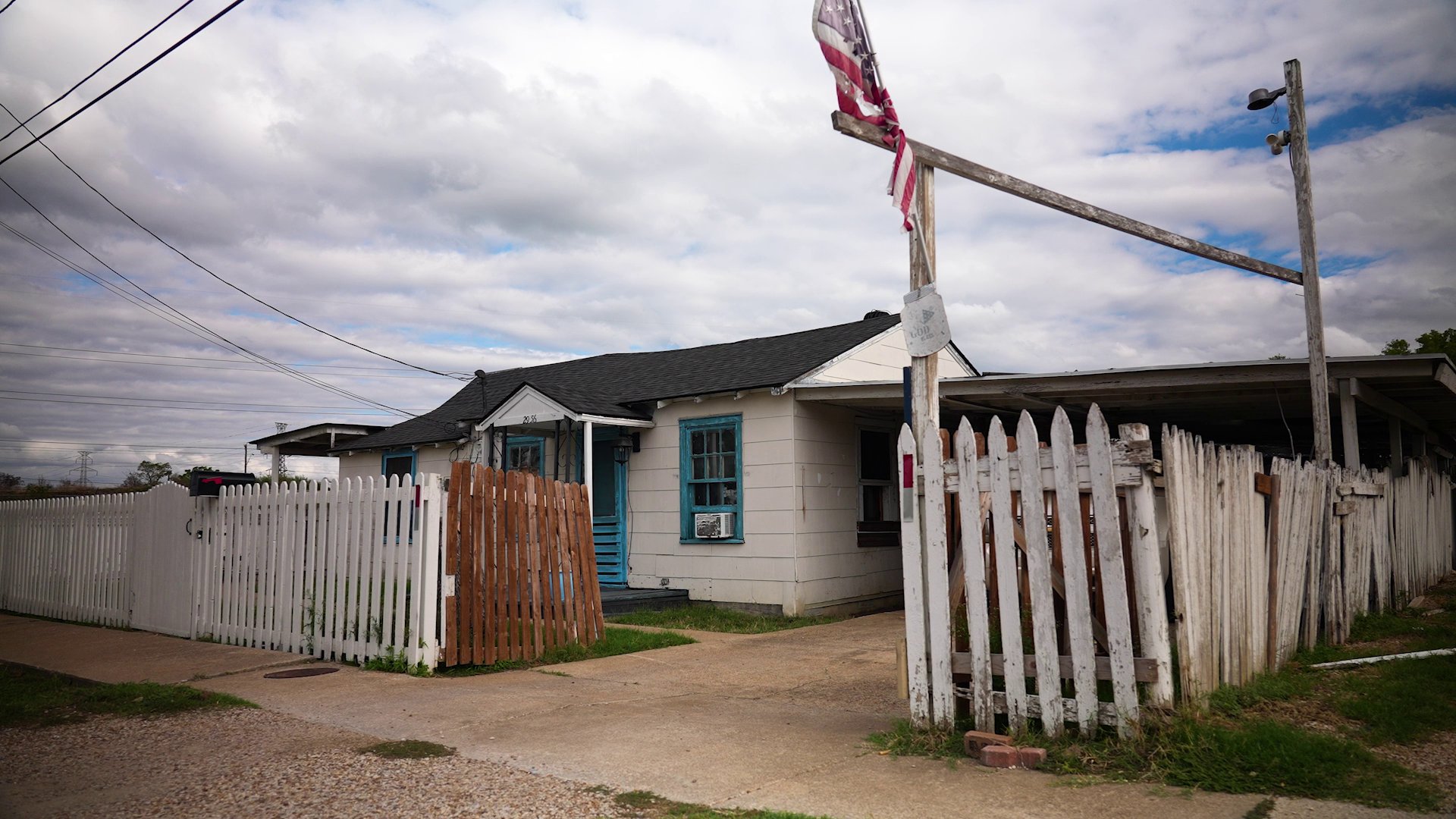
Meanwhile, the city said it’s working to soften the so-called “courtesy notices” it’s sent to more than 3,000 homeowners, notifying them of code violations cameras spotted and humans confirmed.
As NBC 5 Investigates reported, some residents found the language in the notice threatening and confusing.
The city says those notices will not result in citations, even though the original notice told people to make repairs to avoid enforcement action.
And other residents have received citations instead of courtesy notices.
Code Compliance said a new version of the courtesy notice will be released publicly soon.
“The changes that we made, other than just the softer language, was adding a QR code to the Department of Housing and Community Empowerment’s resource webpage for residents to look into home assistance and home repair programs,” said Dallas Code Compliance Director Christopher Christian.
But as NBC 5 Investigates has reported, the city program that used to provide grants to help low-income homeowners fix code violations was paused two years ago as part of a reorganization, limiting what the city can do to help the poorest residents even as camera-aided enforcement increases.
At Monday’s briefing, the city suggested it may direct people to nonprofits for help instead.
“I don’t believe we need to fix every problem for every resident; I’m not saying that. But we’ve rolled out a program that is greatly enhancing code’s reach and nothing to sort of mitigate that,” West said.
Both the city and the camera contractor announced one other major change, removing the term “blight score.”
As NBC 5 Investigates reported, the cameras assigned a blight score to each property where a potential violation was found, “1” being the best and “4” the worst.
The city says the scores were only used internally to prioritize locations for humans to review.
But from now on, Code Compliance and the camera company are using a new name.
“So the image index is what we refer to it now. There is no longer a blight score. That’s a loaded term, and we acknowledge that,” Baum-Blake said.
Some councilmembers also demanded the city take a closer look at how its own properties score.
As NBC 5 Investigates showed in a previous report, some homes that received citations as a result of camera detections are near city-owned abandoned houses or lots full of trash illegally dumped.
Councilmember Adam Bazaldua said the city must lead by example if it’s going to aggressively enforce codes.
Following the discussion, the council’s Quality of Life Committee members suggested they will develop a plan for more regular oversight, audits and additional briefings.